
Why Volcanic Soil Grown Coffee Sparks Debate
The idea that coffee grown in volcanic soil tastes different from coffee grown elsewhere has been circulating in specialty coffee circles for years. Some enthusiasts swear the mineral-rich earth produces brighter, more complex cups. Skeptics argue it is mostly marketing. Volcanica Coffee, one of the largest online retailers of single-origin coffees, built an entire brand around the volcanic soil concept. After examining the company's background, certifications, and tasting multiple offerings, the picture becomes clearer.

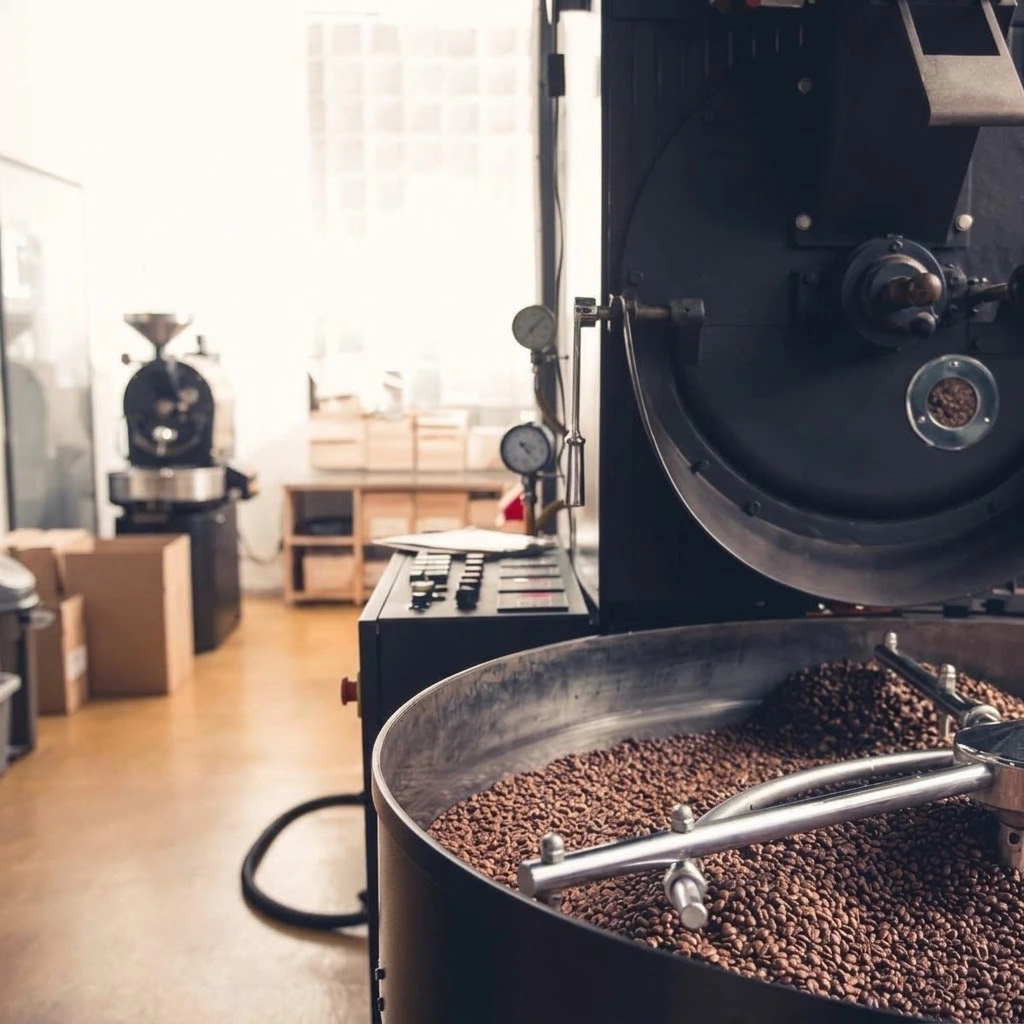
Volcanica Coffee operates from a specialty roasting facility in Atlanta, Georgia. The company sources beans from volcanic regions across Latin America, Africa, and Indonesia. Whether the volcanic terroir actually changes the cup profile is a nuanced question. What is undeniable is the company's commitment to freshness, ethical sourcing, and sustainability certifications.
The Company Behind the Brand
The Contreras family founded Volcanica Coffee in 2004. Their inspiration came from Costa Rica, where the family discovered high-quality coffee grown in volcanic mountain regions. Rather than limiting themselves to one country, they expanded their search to other volcanic coffee growing areas worldwide. The result is a catalog containing over 120 different coffees, sourced from regions with volcanic soil conditions.
The company maintains direct relationships with coffee farms and local cooperatives. This approach reduces intermediary costs while providing better transparency about farming practices. Volcanica states that the farms they work with believe organic methods are not only environmentally superior but also more economical. These farmers rely on birds and natural wildlife for pest control, using compost and the naturally nutrient-rich volcanic soil for fertilization.
Freshness Matters More Than Marketing
Volcanica operates two ordering pathways with different freshness implications. When customers purchase directly from the company website, the beans are roasted after the order is placed. This means delivery typically occurs within days of roasting, preserving peak flavor compounds that degrade over time.
Third-party sellers, including Amazon retailers, carry Volcanica products. In those cases, roast dates fall within a 3 to 30 day window before purchase. While not as fresh as direct orders, this timeframe remains competitive compared to many grocery store coffee brands that sit on shelves for months.

The company emphasizes that all Volcanica beans come from volcanic regions. The specific altitude, precipitation, and soil composition vary by location, which explains the diverse flavor profiles across their catalog. Costa Rican beans ripen slowly at high elevations, producing dense, chocolate-forward cups. Ethiopian Yirgacheffe beans develop bright acidity and floral notes in the misty highlands of southwestern Ethiopia.
Sustainability Certifications: What They Mean
Volcanica Coffee holds multiple sustainability certifications that carry real weight in the specialty coffee industry. Each certification addresses different aspects of ethical production.
USDA Certified Organic means no synthetic pesticides or fertilizers were used during cultivation. The volcanic soil itself provides natural nutrients, eliminating the need for chemical alternatives. Fair Trade International certification sets enforceable standards from producer through exporter, ensuring farmers receive fair compensation and can invest in their communities. Rainforest Alliance certification focuses on biodiversity conservation, working at multiple levels from individual farms to consumer markets to shift practices toward environmental sustainability. Shade grown certification guarantees that coffee plants grow beneath natural forest canopies, preserving habitat for local wildlife and maintaining ecosystem services like natural pest control and soil conservation.

Perhaps the most tangible giving program comes through a partnership with charity: water. One percent of sales from every product goes directly to sustainable, locally operated water projects in developing countries. This direct donation model distinguishes Volcanica from companies that merely donate a fraction of profits after expenses.
Tasting the Selection
A recent evaluation covered five popular Volcanica offerings, each representing different volcanic growing regions. The Costa Rica Original delivered a well-balanced cup with noticeable brightness, chocolate notes, and toasted apple undertones. The medium body appealed to a broad range of palates, making it a reliable choice for gift buyers uncertain about recipient preferences.
The Guatemala Antigua from the Santa Barbara Estate proved richer and more full-bodied. Tasters noted strong aromas of nuts and cocoa, with a smokey, spice-forward finish that carried sweet undertones. The medium roast intensity worked particularly well for morning brewing.

Among the most distinctive offerings was the Ethiopian Yirgacheffe. This USDA organic coffee displayed brilliant acidity and complex flavor layers. Berry and wine notes complemented a luxuriously thick body. Subtle hints of lavender and cocoa appeared on the finish, while the aroma combined cedar-like earthiness with cinnamon and strawberry undertones. The bean color appeared slightly lighter than other samples, though this likely reflected regional variation rather than roast difference.
The Colombian Supremo from the Andeano Estate offered a more restrained profile. Mid-level fruit and floral sweetness paired with smooth medium body and nutty aroma. The brew stayed subtle rather than intense, making it ideal for drinkers who prefer approachable, pleasant cups over bold statements.
The Sulawesi Toraja White Eagle stood apart as a rare offering. Only about 500 bags produce annually from the oldest Toraja coffee trees, which resemble ancient varieties found in remote Ethiopian highlands. The brew delivered smooth chocolate flavors with fruit-toned acidity. A pleasantly sweet finish followed a thick, syrupy body. Tasters recommended espresso preparation to match the intensity.
How Volcanica Compares in the Market
The specialty coffee market contains numerous direct-to-consumer roasters competing for the same customers. Volcanica differentiates through breadth of selection, established certifications, and the volcanic soil narrative. Price points remain competitive with other premium roasters, though not the cheapest option available.
The brand receives recognition from specialty coffee communities, partly due to the company's longevity and partly due to consistent quality across multiple origin offerings. The direct roasting model ensures freshness that many big-brand competitors cannot match. Gift boxes and sampler options make the brand accessible to customers exploring single-origin coffees for the first time.
The Verdict on Volcanic Soil Coffee
Does volcanic soil actually improve coffee flavor? Soil composition influences plant chemistry, and mineral-rich volcanic earth can affect bean density and sugar development. However, altitude, processing method, roast profile, and varietal matter just as much as terroir. The volcanic narrative provides a compelling framework, but the quality stands on its own merits.
Volcanica Coffee delivers fresh, ethically sourced beans across an impressive range of origins. The company backs its claims with verifiable certifications and transparent sourcing practices. Whether the volcanic soil angle represents genuine advantage or effective marketing depends partly on individual taste perception. What remains clear is that Volcanica meets the standards expected from a serious specialty coffee retailer.